
The snail is considered a panacea for diseases. This animal, which possesses unique healing properties, lives in environmentally clean areas. Snails are herbivores, therefore their meat is enriched with beneficial substances.
Eating snail meat is very beneficial. It consists of 80% water and 15% protein, which means it is quite low in calories, about 90 kcal per 100 grams. This makes it a low-calorie product suitable for dietary use, while its richness in vitamins, microelements, macroelements, and fatty acids makes it highly beneficial.
The useful and nutritional properties of snails have long been proven and are documented.
Collagen (important for children) is a protein necessary for the formation of connective tissues. A lack of collagen leads to cartilage destruction. For older people, collagen deficiency leads to the appearance of wrinkles. Elastin, also present in the secretion of the mollusk, helps the skin remain firm and elastic.
Vitamin E (5 mg). In cases of neurological disorders, doctors prescribe a course of this vitamin, which has antioxidant properties.
Potassium (382 mg, which is 15% of the daily norm). This macronutrient is directly involved in regulating blood pressure, acid-base balance, and the functioning of the nervous system.
Magnesium (250 mg, which is 62.5% of the daily norm). Another important macronutrient involved in protein synthesis. Its deficiency can lead to heart diseases.
Phosphorus (272 mg – 37.8%). Snail meat is recommended for pregnant women and children, as its high phosphorus content helps prevent rickets, anorexia, anemia, and supports the mineralization of bones and tooth enamel.
Iron (3.5 mg – 21.6% of the daily norm). This trace element is involved in many vital processes. In Ancient Rome, the army was fed mollusk meat to reduce fatigue and increase soldiers’ performance, as iron is part of proteins that form the muscular structure of the human body.
Selenium (27.4 mcg – 55.3%) is an essential component that helps fight osteoarthritis, a disease that leads to deformation of joints and spinal discs.
Omega-3 (27% of the daily norm). This polyunsaturated fatty acid ensures normal growth in children and affects skin health and kidney function.

Snail bred on our own farm, Helix Aspersa Muller. The weight of a mature snail ranges from 6 to 12 grams, and the shell diameter is 20–30 mm. The meat contains a high amount of calcium, vitamins B1 and E, amino acids, and is low-calorie and low-fat. The origin of the snail is Western Europe.
Snail of our own production, Helix Aspersa Maxima. The weight of a mature snail ranges from 15 to 35 grams, and the shell diameter is 25–40 mm. The meat contains a high amount of calcium, vitamins B1 and E, amino acids, and is low-calorie and low-fat. The origin of the snail is North Africa.

Our goal is to unite a team of professionals, work with inspiration for the benefit of consumers, and continuously improve to meet the expectations of the most demanding gourmet customers. And we can do it!
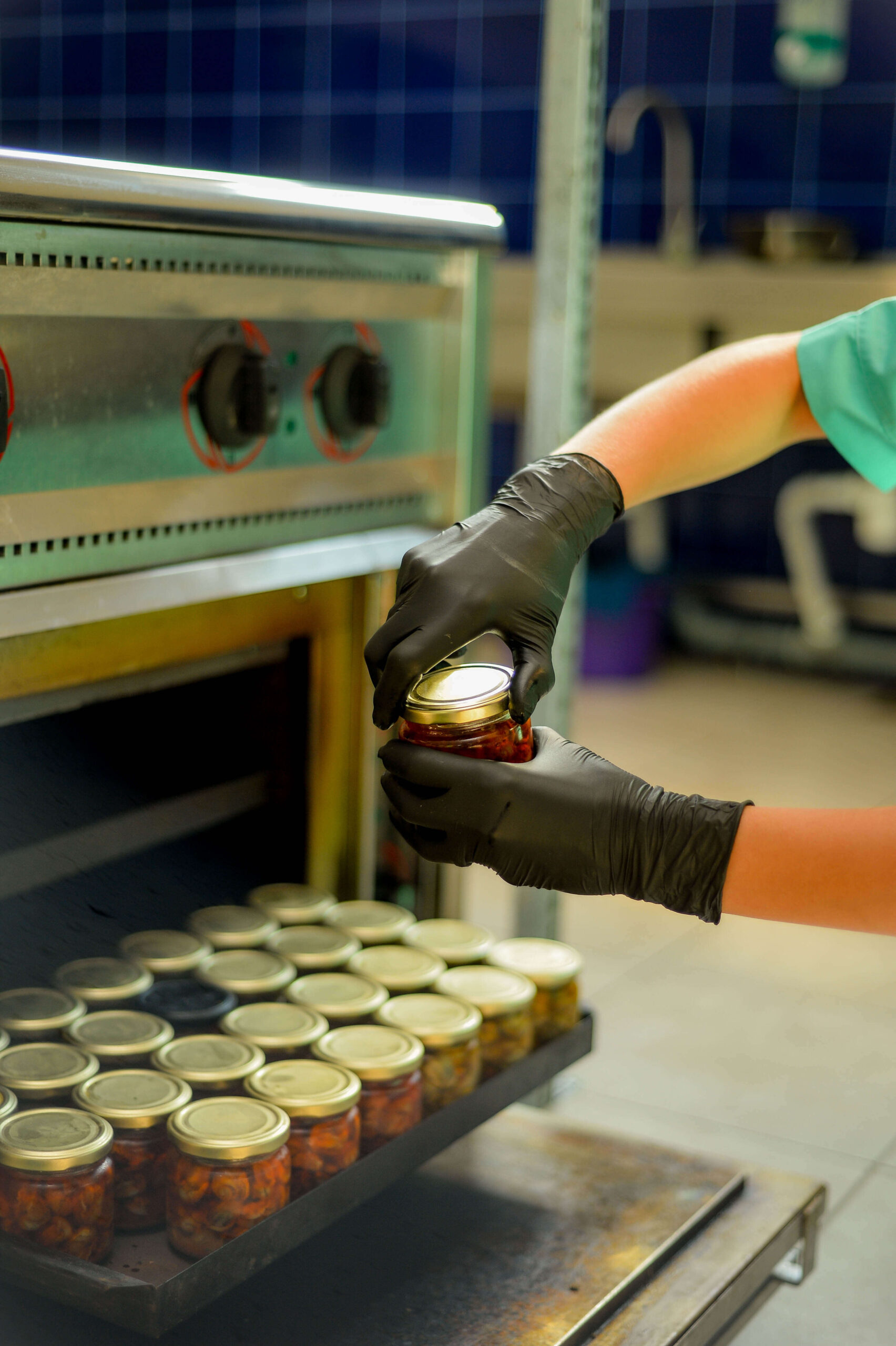
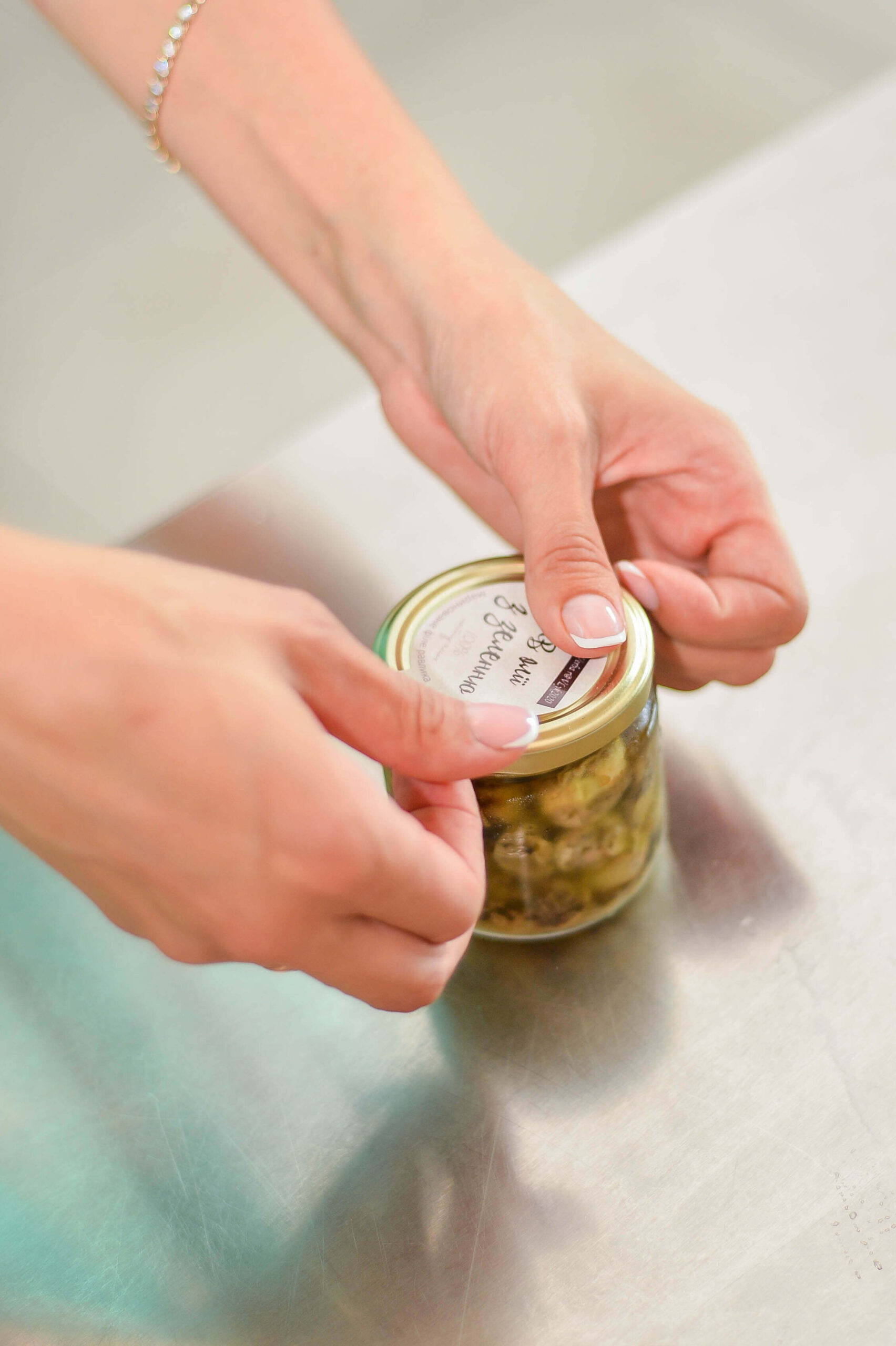
From snail to product
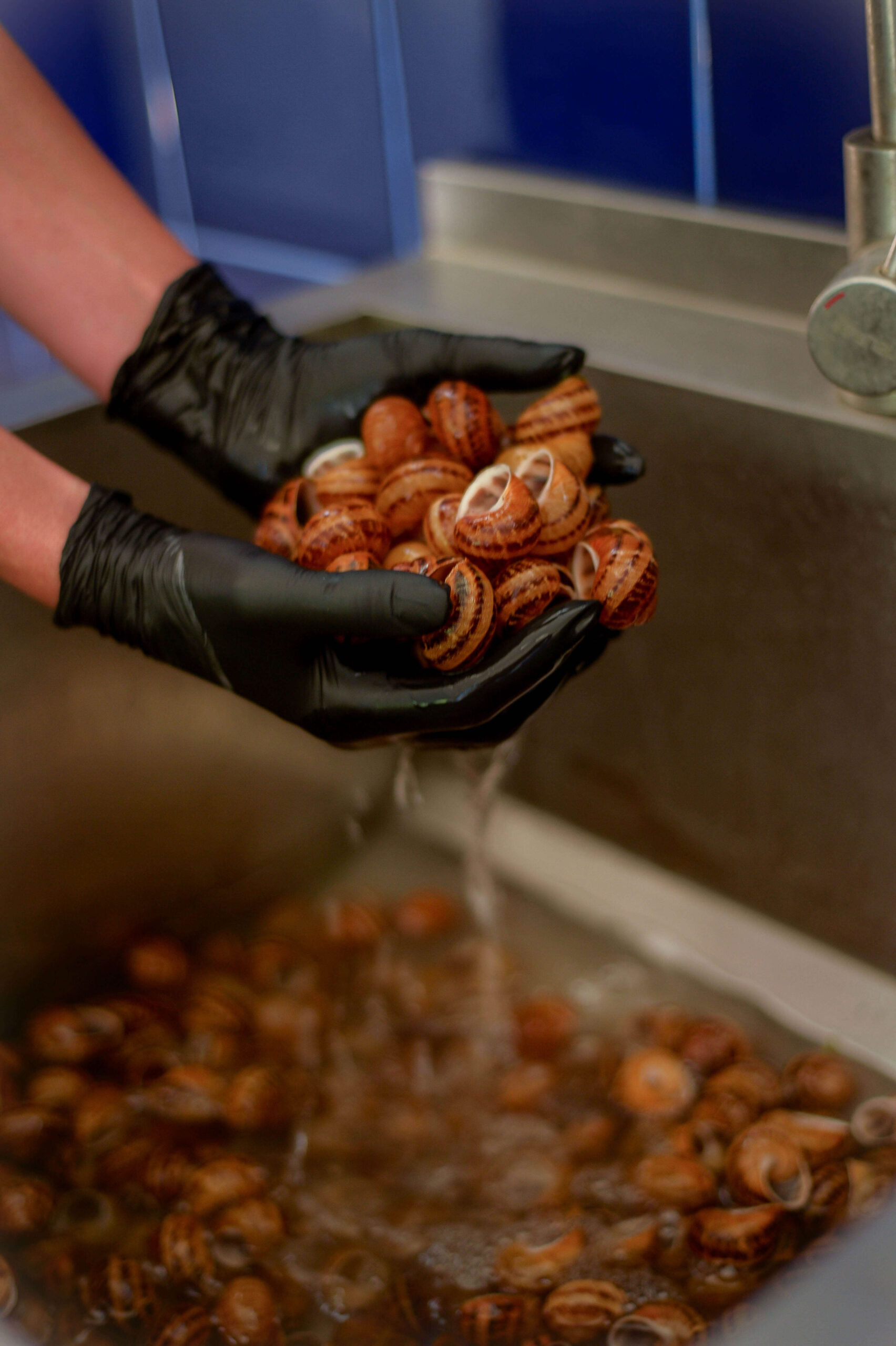
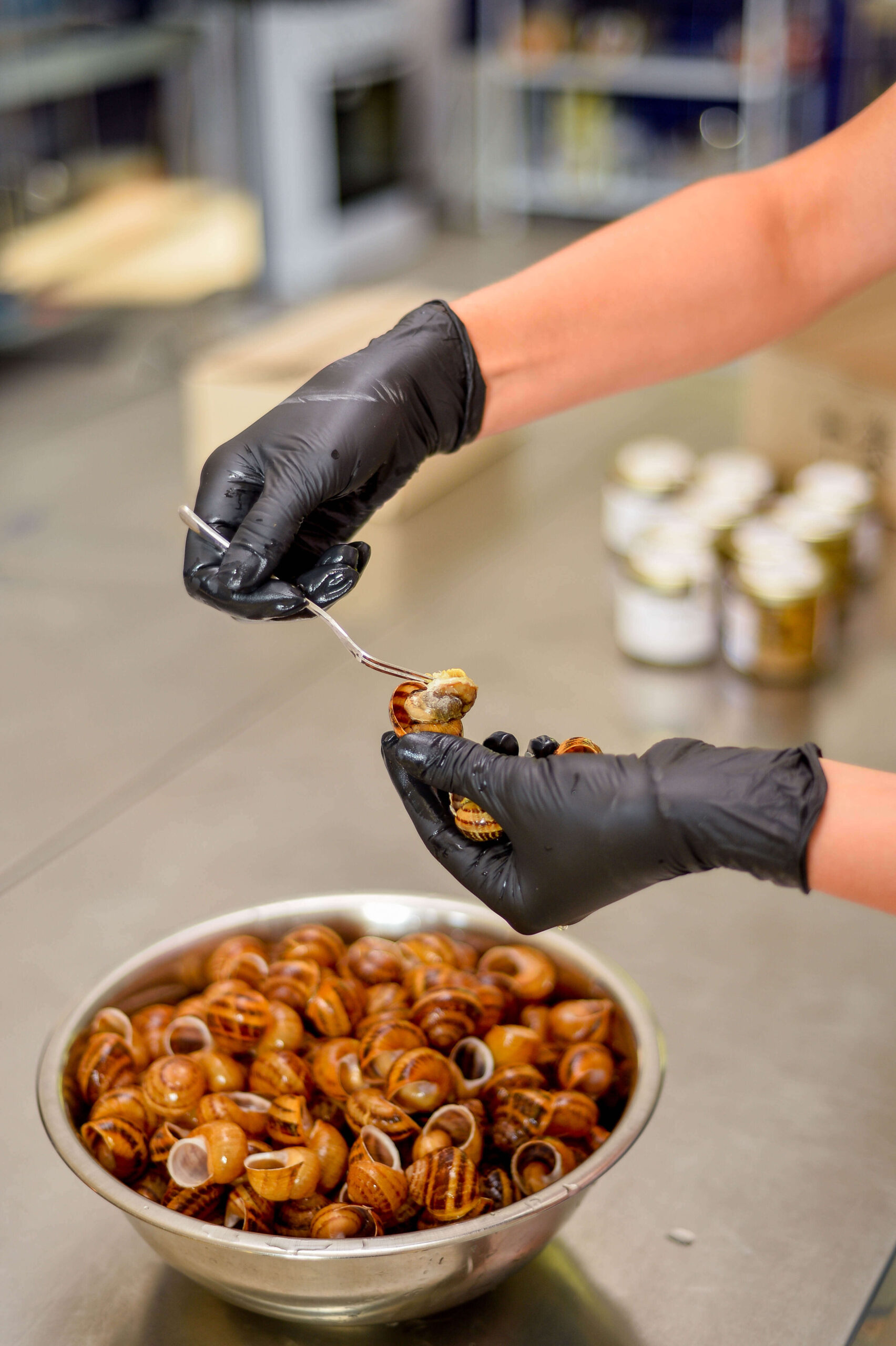
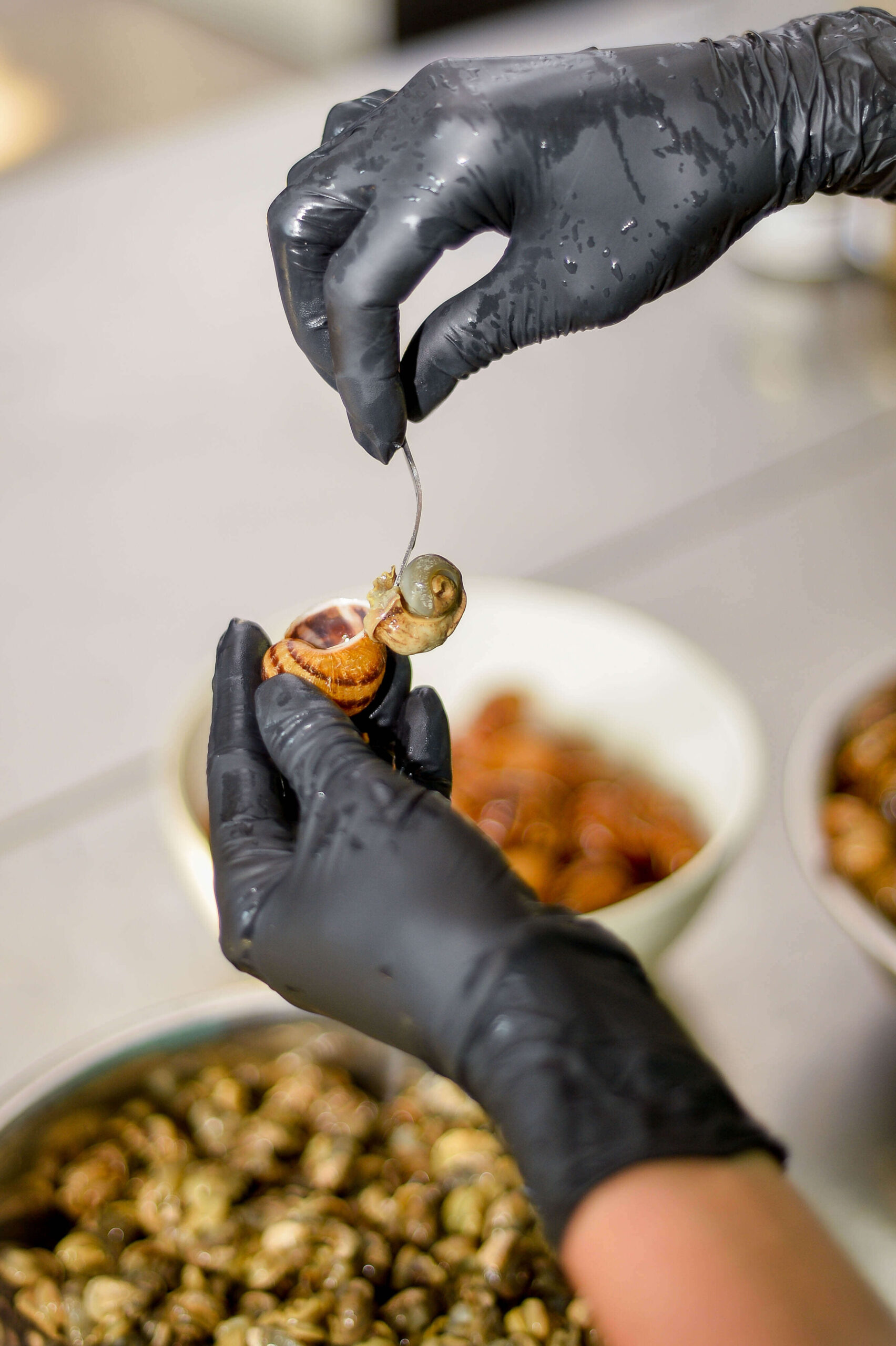
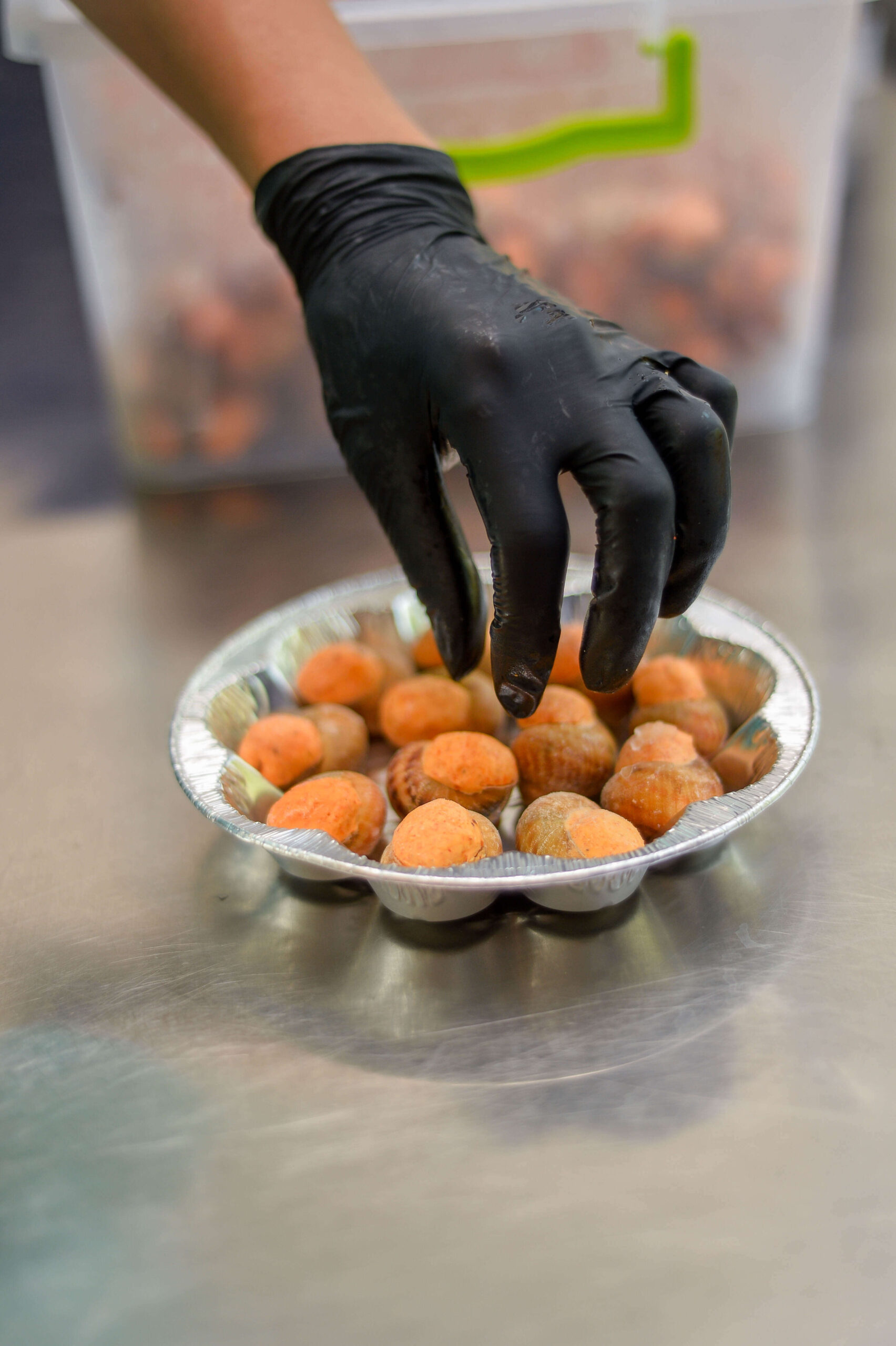
Reproduction is the awakening of snails from winter hibernation. After that, they are fattened, and after some time mating begins. This process lasts 4 hours, and after 10–15 days the females start laying eggs, burying themselves in pots with a soil mixture.
During reproduction, specific temperature and humidity conditions must be maintained. After the eggs are collected, they are transferred to an incubator, where the process described above continues. After 8–12 days, snail hatchlings begin to emerge. When they move onto the surface of the substrate, the next life cycle continues in the field (usually in May).
The growth period is from May to August. In August, the first collection of the breeding stock begins, which will later be used to produce a new generation.
The task of all of us is to collect and raise high-quality snails. Externally, the snail should have a curled lip and an appropriate weight of not less than 4 grams.









Crazy offer!